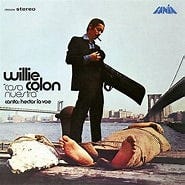
Che Che Cole
The meaning behind the music

CHE CHE COLÉ
Introduction:
Chorus— “Che che colé, qué bueno es!” (“Che Che Colé—how good it is!”)—expresses pure enjoyment and celebration of the rhythm and its roots.
AFFIRMATIVE OF AFRO-LATIN IDENTITY:
By acknowledging the African roots of Latin music, the song is a message of black empowerment and pride within Puerto Rican and broader Latino culture.
It serves as a cultural reminder to value and honor these deep, shared origins.
The Che Essence - Elements an
d Meaning:
1. Che che cole: Direct link to African musical traditions
2. Lyrics: A universal invitation to join in dance and unity
3. Cultural pride: Uplifts and celebrates Afro-Latin heritage
In short, “Che Che Colé” is a vibrant fusion of West African childhood chant and salsa groove—an anthem that teaches, unites, and honors the African influence woven throughout Latin music. It’s a dance invitation and cultural affirmation rolled into one unforgettable tune.
CHE CHE COLÉ:
MORE THAN A SALSA CLASSIC – A CELEBRATION OF AFRICAN ROOTS
When you hear the irresistible rhythm of “Che Che Colé” by Willie Colón and Héctor Lavoe, your first instinct is probably to get up and dance—and rightfully so. But behind the song’s joyful beats and catchy chorus lies a powerful message of heritage, unity, and Afro-Caribbean pride.
A West African Call Echoes in the Caribbean: “Che Che Colé” was released in 1969, at the height of the salsa revolution in New York City, where artists like Colón and Lavoe were shaping a genre that would go on to define generations. What makes this song stand out is not just its infectious rhythm but its deep cultural roots.
The chant “Che che colé, che che cofe sa…” traces back to Ghana, West Africa. There, it’s known as “Kye Kye Kule”, a traditional children’s game song sung in the Akan language. Willie Colón’s version reimagines it through the lens of Latin American music, particularly Puerto Rican salsa, infused with elements of bomba, calypso, and Afro-Caribbean percussion.
An Anthem of Identity and Cultural Fusion: The lyrics go beyond mere entertainment. In one verse, Lavoe sings:
“El que no sabe, que aprenda.
Yo le enseñaré…
Desde Venezuela hasta Panamá,
Este ritmo es africano.”
(“If you don’t know, you’ll learn. I’ll teach you.
From Venezuela to Panama,
This rhythm is African.”)
It’s a bold, proud reminder that African heritage is the heartbeat of Latin music. Whether it’s salsa in Puerto Rico, cumbia in Colombia, or samba in Brazil, these genres are built on rhythms, instruments, and traditions carried across the Atlantic by enslaved Africans.
With “Che Che Colé,” Colón and Lavoe weren’t just inviting people to dance—they were teaching, uplifting, and honoring. The song becomes a musical celebration of resilience, reminding listeners that beneath every beat is a story of cultural survival and pride.
Salsa as Celebration and Resistance: In the 1960s and ’70s, salsa was more than music—it was a movement. In neighborhoods like Spanish Harlem and the South Bronx, salsa spoke for the marginalized, the immigrants, the Afro-Latinx people finding their voice in a changing world. “Che Che Colé” captured that spirit by connecting African ancestry to modern expression.
Its rhythm said: “We are here. We are proud. And we dance to the drums of our ancestors.”
A Legacy That Lives On: More than five decades later, “Che Che Colé” remains a timeless anthem. It’s played in classrooms, dance floors, and community festivals—wherever people gather to move and connect. For many, it’s the first song that introduces them to the power of Latin music. For others, it’s a cultural anchor, reminding them of who they are and where they come from.
In today’s world, where conversations about identity and roots are more vital than ever, “Che Che Colé” continues to resonate—not just as a classic salsa hit, but as a musical declaration of African Latin pride.
CHE CHE COLÉ:
MÁS QUE UN CLÁSICO DE LA SALSA — UNA CELEBRACIÓN DE RAÍCES AFRICANAS
Cuando suenan los primeros acordes de “Che Che Colé”, el éxito de Willie Colón con la voz inconfundible de Héctor Lavoe, es casi imposible no empezar a moverse. Pero más allá del ritmo contagioso y del coro pegajoso, esta canción es una poderosa afirmación de orgullo cultural, herencia africana y unidad afrocaribeña.
Un eco de África Occidental en el Caribe: “Che Che Colé” fue lanzada en 1969, durante el auge de la salsa en la ciudad de Nueva York, donde artistas como Colón y Lavoe estaban transformando la música latina con un sonido nuevo, rebelde y profundamente conectado con sus raíces. Lo que hace única a esta canción es que toma una canción infantil tradicional de Ghana, conocida como “Kye Kye Kule”, y la fusiona con los ritmos caribeños de la salsa, la bomba y el calipso.
La introducción —con frases como “Che che colé, che che cofisa…”— proviene de la lengua akan, hablada en África Occidental. Aunque no tiene una traducción literal, su función es rítmica, alegre y participativa, un llamado colectivo que se transforma en himno.
Un canto de identidad y fusión cultural: En un momento clave de la canción, Héctor Lavoe canta:
“El que no sabe, que aprenda.
Yo le enseñaré…
Desde Venezuela hasta Panamá,
Este ritmo es africano.”
Estas líneas son mucho más que una invitación a bailar: son una lección de historia y cultura. Son un reconocimiento del origen africano de gran parte de la música latina. Desde el tambor de la bomba puertorriqueña hasta los toques de la cumbia y la samba, el alma africana vibra en cada compás. Con “Che Che Colé”, Colón y Lavoe no solo ponen a bailar al mundo; también educan, afirman y honran la influencia afrodescendiente en nuestras comunidades.
Salsa: celebración y Resistencia: Durante los años 60 y 70, la salsa fue más que música: fue un movimiento social. En barrios como el Bronx y el Spanish Harlem, la salsa se convirtió en voz de los inmigrantes, de los marginados, de los jóvenes latinos que buscaban su identidad en un país que muchas veces los ignoraba.
“Che Che Colé” captura ese espíritu. A través de un ritmo alegre, lanza un mensaje profundo: “Esta música es nuestra. Estas raíces son nuestras. Y aquí seguimos, bailando con orgullo.”
Un legado que sigue vivo: Más de 50 años después de su lanzamiento, “Che Che Colé” sigue siendo un himno. Se escucha en fiestas, escuelas, eventos culturales y clases de música. Para muchos niños y jóvenes, es su primer contacto con el poder de la salsa. Para otros, es un recordatorio de quiénes somos y de dónde venimos. En tiempos donde se hace cada vez más importante hablar de nuestras raíces y defender nuestras identidades, canciones como esta siguen siendo puentes entre generaciones y culturas.
“Che Che Colé” no es solo un éxito musical: es una celebración viva de la diáspora africana en América Latina. Un llamado a bailar… y a recordar.
LYRICAL DEEP DIVE -- Opening Chant (Call-and-Response):
“Che che colé, che che cofisa…”
These nonsensical-sounding words come directly from the Akan language of Ghana (West Africa), originally sung by children in group play. It’s part of a chant used in movement songs and rhythm games.
It doesn’t translate literally but carries the same joy, rhythm, and musicality that makes it memorable and powerful.
The chant creates a feeling of ancestral call—of history, language, and rhythm carried across the Atlantic.
Main Chorus (Translated):
“Che che colé, qué bueno es
Che che colá, qué bueno es”
→ “Che che colé, how good it is
Che che colá, how good it is”
A simple but joyful celebration—like shouting “This is fire!” about a great song or dance.
Spoken Verse (Rough Translation):
“If you don’t know how to dance Che Che Colé, I’ll show you.
From Venezuela to Panamá, this rhythm is African.”
This verse is key: it’s an affirmation of African roots in Caribbean music, especially Puerto Rican salsa.
Willie Colón and Héctor Lavoe are teaching the listener, not just the dance—but the cultural history and ownership of rhythm.
MUSICAL STRUCTURE & STYLE:
Fusion of Genres: The song blends salsa, bomba, and calypso rhythms—all of which have African ancestry.
Instrumentation: Uses classic salsa instruments—congas, timbales, horns—with a punchy Fania-style groove.
Structure: Uses call-and-response to echo African musical traditions (audience participation is key).
CULTURAL SIGNIFICANCE:
1. Bridge Between Continents
Che Che Colé serves as a musical bridge between West Africa and the Caribbean, especially Puerto Rico and Panama—cultures formed in the shadow of slavery and migration.
2. Afro-Caribbean Empowerment:
In the 1960s and ’70s, Willie Colón and Héctor Lavoe were part of a Latino cultural awakening in New York. They weren’t just making dance music—they were raising identity awareness through sound.
3. Salsa as Resistance:
Salsa wasn’t just party music—it was often resistance music, speaking to the pride and struggle of the Afro-Latinx community.
Che Che Colé is like saying: “This is our rhythm, our roots, our joy.”
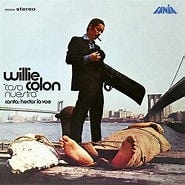
Final Thought: “Che Che Colé” is both a party anthem and a cultural lesson. It invites you to dance while reminding you of where that rhythm comes from: Africa. Willie Colón and Héctor Lavoe weren’t just entertainers—they were cultural messengers.